Why Residential Hood Cleaning Is Important for Kitchen Safety
Residential hood cleaning helps remove grease buildup that can cause kitchen fires, and local service providers can ensure your kitchen remains safe and compliant.
If you own a residential kitchen, understanding why residential hood cleaning is important for kitchen safety can help you maintain a secure and efficient cooking environment. Over time, grease and grime can accumulate in the vent hoods and ductwork, creating potential fire hazards and reducing the effectiveness of your ventilation system. Property owners in the area often explore this topic to ensure their homes remain safe, especially if the kitchen sees frequent use. By staying informed, you can better appreciate how professional services provided by local contractors can help keep your kitchen safe and functioning properly.
Keeping your kitchen’s ventilation system clean is a practical step toward preventing fire risks and improving air quality. Regular residential hood cleaning by experienced service providers can remove built-up grease and debris that might otherwise pose dangers or cause unpleasant odors. Property owners who prioritize safety and cleanliness often seek out local contractors to handle this essential task. Continuing to learn about the importance of residential hood cleaning can empower you to make informed decisions about maintaining a safe, healthy cooking space in your home.
- Residential hood cleaning - homeowners preparing for a kitchen remodel or inspection often seek local contractors to ensure their ventilation systems are free of grease buildup.
- Kitchen safety assessments - individuals noticing persistent smoke or odors may contact local service providers to clean exhaust hoods and improve air quality.
- Fire prevention measures - families concerned about fire hazards from grease accumulation look for local pros to thoroughly clean their kitchen exhaust systems.
- Routine maintenance - busy homeowners wanting to maintain a safe cooking environment turn to local contractors for scheduled residential hood cleaning.
- Post-incident cleanup - those who experienced a kitchen fire or smoke issue often seek professional hood cleaning to restore safety and prevent future risks.
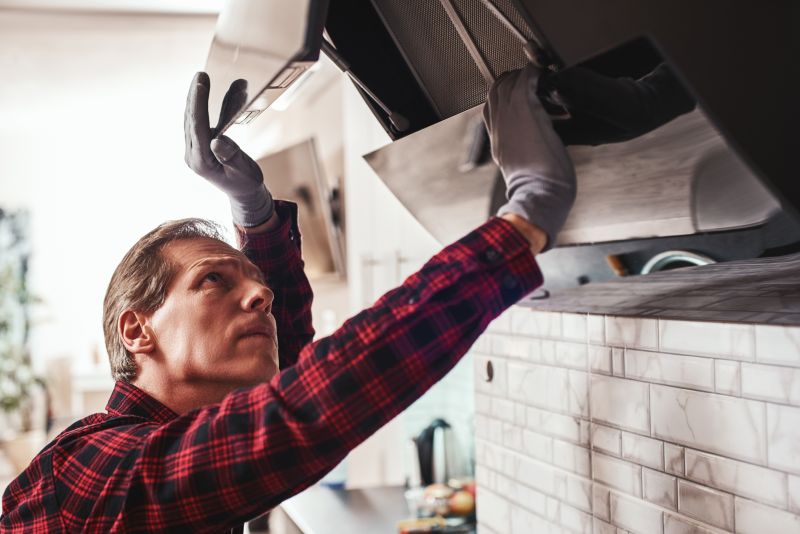
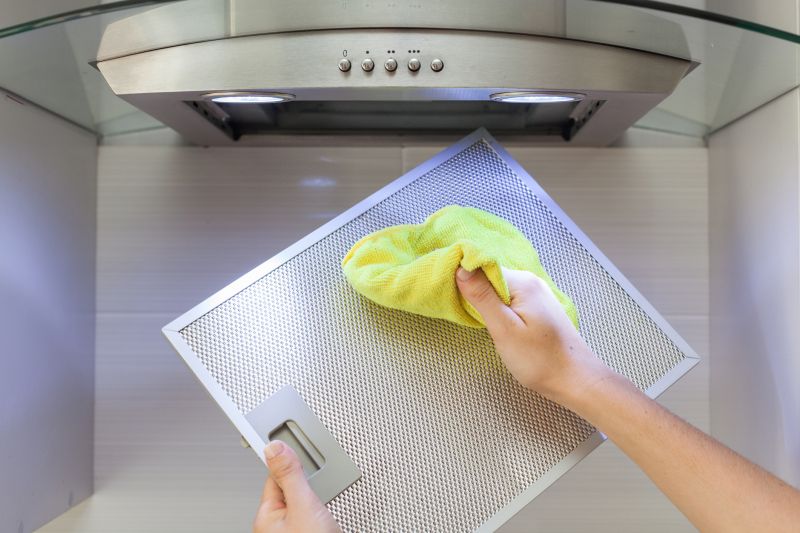
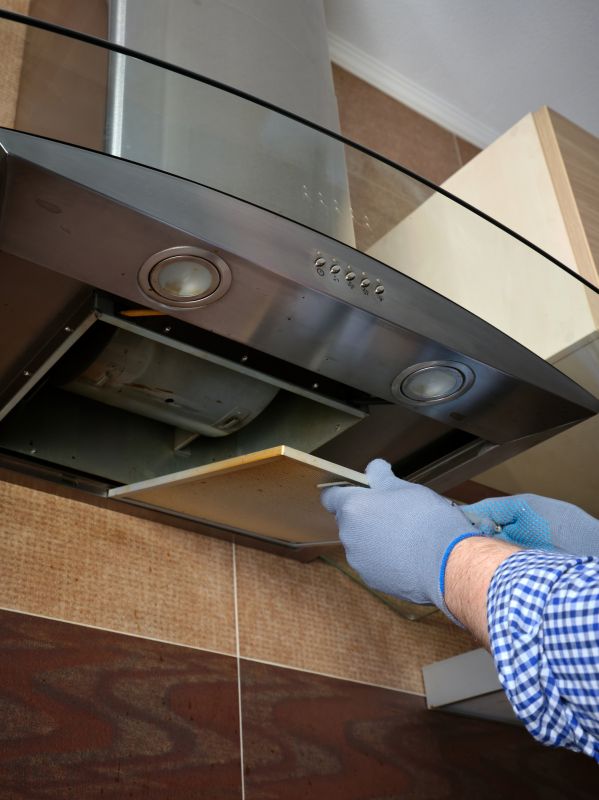
When people search for why residential hood cleaning is important for kitchen safety, they are often concerned about the potential risks associated with a buildup of grease and debris in their kitchen exhaust systems. Many homeowners recognize that kitchen hoods and vents are essential for removing smoke, heat, and odors, but they might not fully understand how accumulated grease can become a fire hazard or compromise indoor air quality. This type of cleaning involves removing grease, grime, and other residues that can collect on the hood, ductwork, and filters over time. Homeowners seeking this information are typically interested in maintaining a safe cooking environment and preventing potential hazards that could lead to costly damage or health issues.
Residential hood cleaning relates to a variety of problems and plans centered around safety, efficiency, and property maintenance. Grease buildup is a primary concern because it is highly flammable and can ignite if exposed to high heat or an open flame. Regular cleaning is often part of broader kitchen safety plans, especially for households that cook frequently or have large families. Homeowners may also be considering upgrades or renovations that include new kitchen appliances or vent systems, making it a good time to ensure the existing hood system is properly maintained. Additionally, some property owners may be preparing their homes for sale or rental, recognizing that a clean, well-maintained kitchen can be an important selling point and contribute to overall property value.
The types of properties that typically come up in discussions about residential hood cleaning are mainly single-family homes, multi-family residences, and sometimes small apartment complexes. These properties usually feature built-in kitchen exhaust systems that require periodic maintenance to operate safely and efficiently. Homes with large, professional-style kitchens or those that see heavy use often need more frequent cleaning to prevent grease accumulation. In addition, properties with older ventilation systems may be more prone to issues caused by outdated ductwork or filters. Local service providers often work with homeowners, landlords, and property managers to develop customized cleaning schedules that meet safety standards and ensure the kitchen remains a safe environment for cooking and daily activities.
Understanding how local pros fit into residential hood cleaning projects is key for homeowners considering this service. These service providers specialize in thoroughly cleaning kitchen exhaust systems, removing hazardous grease and debris that can pose fire risks or impair ventilation. They bring the necessary tools and expertise to inspect and clean ducts, hoods, and filters efficiently, helping to reduce the risk of fires and improve indoor air quality. Homeowners can benefit from scheduling regular cleanings with local contractors who understand the specific needs of residential properties. Connecting with these professionals ensures that the kitchen’s ventilation system remains safe, effective, and compliant with safety guidelines, making residential hood cleaning a vital part of overall kitchen safety.
Commercial kitchen exhaust cleaning - this project involves removing grease buildup from exhaust systems, similar to residential hood cleaning, to improve kitchen safety and reduce fire hazards.
Kitchen ventilation system maintenance - maintaining and cleaning ventilation components requires similar planning and tools as residential hood cleaning to ensure proper airflow and safety.
Grease trap cleaning services - these projects focus on removing grease buildup in plumbing systems, aligning with residential hood cleaning in preventing fire risks caused by grease accumulation.
Range hood installation and repair - installing or fixing range hoods involves understanding ventilation safety, which complements the skills used in residential hood cleaning for kitchen safety.
Fire safety system inspections - inspecting fire suppression and safety systems relates to residential hood cleaning by emphasizing the importance of fire prevention measures in kitchens.
Kitchen exhaust fan repair - repairing exhaust fans requires familiarity with kitchen ventilation, paralleling the skills needed for effective residential hood cleaning to ensure safety.

When evaluating residential hood cleaning service providers, it is essential for homeowners to consider their experience with similar projects. A contractor with a proven track record of handling kitchen exhaust systems comparable to those in residential settings can offer valuable insights into what the job entails and ensure thorough cleaning. Asking about previous work can help gauge their familiarity with common challenges and the best practices for maintaining kitchen safety through effective hood cleaning. This experience can contribute to a more reliable and efficient service, ultimately supporting the importance of residential hood cleaning for kitchen safety.
Clear written expectations are a crucial factor when comparing local contractors for hood cleaning services. Homeowners should seek providers who can provide detailed descriptions of what the cleaning process involves, what areas will be addressed, and what results can be expected. Having this information in writing helps prevent misunderstandings and ensures that the service aligns with safety standards. Well-defined expectations also make it easier to evaluate whether the service provider understands the importance of maintaining a clean and safe kitchen environment through comprehensive hood cleaning.
Reputable references and good communication are key indicators of a trustworthy service provider. Homeowners should look for local contractors who can supply references from previous clients, particularly those who had similar residential projects. Positive feedback can offer confidence in the quality of work and professionalism. Additionally, clear and responsive communication throughout the process demonstrates a contractor’s commitment to customer needs and helps ensure that questions about the importance of residential hood cleaning for kitchen safety are addressed thoroughly. This combination of references and communication can make the selection process smoother and more aligned with safety priorities.
Property owners often search for why residential hood cleaning is important for kitchen safety when they are planning practical projects around their homes and businesses. Local pros provide Residential Hood Cleaning services for everyday jobs and straightforward project options.
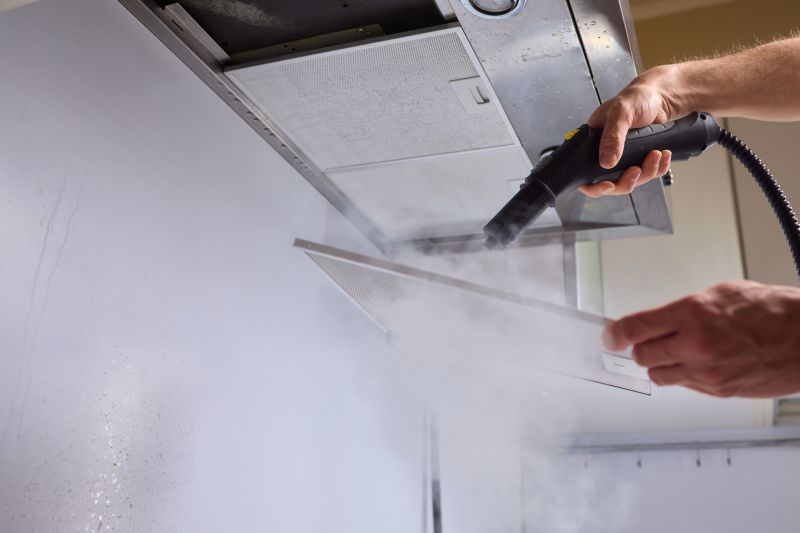
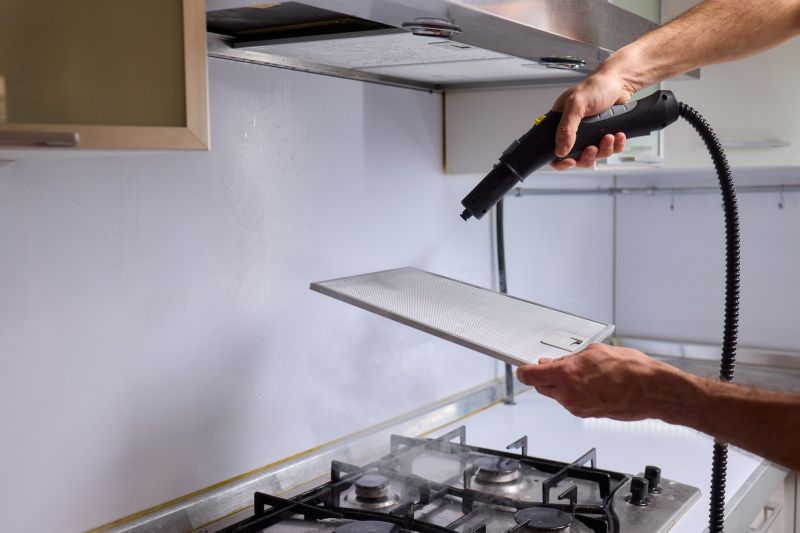
Regular residential hood cleaning is a key step in maintaining kitchen safety for property owners. Over time, grease and grime can accumulate within the vent hoods and ductwork, creating potential fire hazards. Local contractors who specialize in hood cleaning can help reduce these risks by thoroughly removing buildup, ensuring that the ventilation system operates efficiently and safely. This maintenance can also help prevent unpleasant odors and improve overall air quality in the kitchen, making it a safer environment for daily cooking activities.
Many property owners seek out residential hood cleaning services because it’s a straightforward way to keep their kitchens safer and more hygienic. A clean hood system minimizes the chances of grease fires and can extend the lifespan of kitchen appliances by preventing grease buildup that can cause damage or inefficiency. Connecting with experienced service providers in the area offers a practical solution for those who want to uphold safety standards and maintain a clean, well-functioning kitchen space.
Why is residential hood cleaning important for kitchen safety? Residential hood cleaning helps remove grease buildup that can cause fires, reducing the risk of kitchen fires and enhancing overall safety in the home.
How does residential hood cleaning contribute to preventing fire hazards? By cleaning the kitchen hood regularly, local contractors eliminate flammable grease deposits, which are a common cause of kitchen fires.
Can neglecting hood cleaning affect indoor air quality? Yes, buildup of grease and contaminants in the hood can lead to poor indoor air quality, making the kitchen environment less safe and healthier for residents.
Why should homeowners consider professional residential hood cleaning services? Professionals ensure thorough cleaning of the entire vent system, reducing fire risks and maintaining safe kitchen operation standards.
How does residential hood cleaning support overall kitchen safety? Regular cleaning by local service providers helps prevent dangerous grease accumulation, minimizes fire risks, and promotes a safer cooking environment.
Reducing fire hazards - Regular residential hood cleaning helps remove grease buildup that can ignite, making kitchens safer and less prone to fires with the help of local contractors.
Improving air quality - Clean hoods prevent grease and smoke from circulating, creating a healthier environment in the kitchen for daily cooking activities through professional services.
Maintaining appliance efficiency - Properly cleaned exhaust systems ensure appliances operate safely and efficiently, reducing the risk of overheating or malfunction.
Preventing pest infestations - Removing grease and debris from vents discourages pests from nesting in kitchen exhaust areas, supported by expert residential hood cleaning services.
If you are thinking about why residential hood cleaning is important for kitchen safety for a property, this guide is meant to help you understand this topic, the typical project types, and how different options might fit your plans.
When you are ready, you can use the quote form on this page to share a few details about your project. From there, local pros can review the basics and follow up with options that match what you have in mind.